European Oak Wood Floors continue to attract attention in residential and commercial interior projects because of their distinctive grain, natural color variations, and design versatility. However, the appearance and everyday performance of oak flooring depend not only on the wood species and construction but also on the surface finish. Matte Oak Flooring and Brushed Oak Flooring offer two different yet complementary approaches to highlighting natural wood character while meeting modern interior design requirements.
For flooring distributors, architects, interior designers, and project buyers, understanding these finishes is essential when selecting engineered wood flooring. The right combination of surface texture, protective coating, board construction, and installation pattern can influence the final appearance, maintenance requirements, and suitability of a flooring solution.
A matte finish describes the level of sheen on a floor's surface. Compared with a high-gloss finish, matte flooring reflects less light directly, creating a more understated appearance and allowing the natural grain and color variation of European oak to remain visually prominent. This makes Matte Oak Flooring a practical design choice for contemporary, Scandinavian, rustic, and classic interiors where a natural wood appearance is preferred over a highly reflective surface.
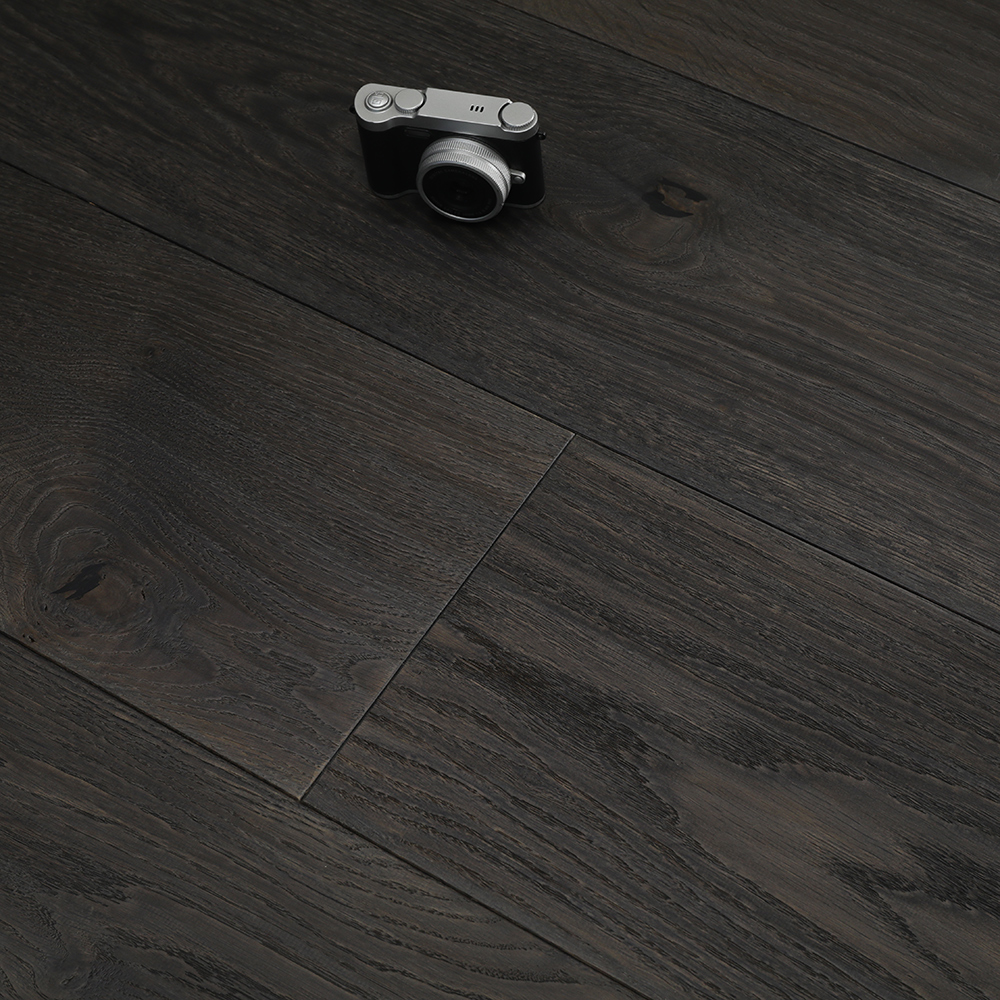
A brushed finish, by contrast, describes a surface-texturing process. Mechanical brushing works along the grain to emphasize its natural structure, creating a more pronounced tactile effect. The degree of texture depends on the brushing process and the characteristics of the oak itself. Brushed Oak Flooring can therefore provide greater visual depth than a smooth surface, particularly when viewed under directional lighting. Importantly, brushing and sheen are separate characteristics: a floor can have a brushed texture and a matte appearance at the same time.
One of the main advantages of Matte Oak Flooring is its ability to create a balanced visual effect without excessive reflection. In rooms with large windows, overhead lighting, or open-plan layouts, a low-sheen surface can reduce distracting glare and help maintain a consistent appearance across the floor. Natural oak tones can also complement stone, textiles, painted cabinetry, and other interior materials without dominating the overall design.
Matte finishes may make fingerprints, footprints, and certain minor surface marks less noticeable than glossy finishes, although actual results depend on the coating, lighting conditions, and type of wear. A matte appearance should not be confused with a particular level of scratch resistance or stain protection. These properties are determined largely by the protective finishing system and its tested performance, so buyers should evaluate technical specifications rather than relying on sheen alone.
European oak is valued for its recognizable grain patterns and natural variations. Brushing emphasizes these features by creating subtle relief along the grain, helping individual planks develop a more tactile and visually detailed appearance. This treatment works well in interiors that aim to combine natural materials with a refined architectural style.
Brushed surfaces may also help certain minor scratches and signs of everyday use blend into the existing texture. However, deeper scratches, dents, and coating damage can still occur. The depth of brushing is another important consideration: a lightly brushed surface provides a relatively subtle texture, while a more pronounced profile creates a stronger rustic effect and may require more attention during cleaning. Buyers should request samples to compare texture, color, and finish under lighting similar to the intended installation environment.
The visual impact of a finish also depends on the flooring layout. Straight-plank European Oak Wood Floors emphasize the continuity of the grain and can help create a spacious, streamlined appearance. Wider boards may reduce the number of visible joints, while variations in grain and color preserve the natural character of the timber.
Herringbone and chevron patterns introduce additional geometry. In herringbone flooring, rectangular boards meet at right angles; chevron flooring uses angled ends to form a continuous V-shaped pattern. A matte finish can help these layouts appear cohesive, while a brushed texture adds definition to individual boards. Decorative layouts such as Versailles and Blois provide another option for projects that require a more intricate parquet design. In each case, board dimensions, grade, cutting accuracy, and installation precision are as important as the surface treatment itself.
Surface appearance is only one part of flooring selection. European oak engineered flooring combines a real oak surface layer with a supporting engineered structure designed to improve dimensional stability compared with conventional solid wood boards under changing indoor conditions. Sinomaple's European Oak Engineered Flooring collection offers multilayer or three-layer tongue-and-groove (T&G) construction, with the IN-25-0202 model specified at 15 mm overall thickness. These construction options provide a basis for evaluating the flooring in relation to subfloor conditions, installation requirements, and project specifications.
For professional buyers, several technical questions deserve attention. What is the thickness of the oak wear layer? Which protective coating is used, and what abrasion or stain-resistance data are available? What moisture conditions must be maintained before and after installation? Is the proposed flooring approved for the intended underfloor heating system? The answers can vary by product configuration, so overall thickness alone should not be treated as an indicator of refinishing potential or long-term performance.
Installation quality is equally important. The subfloor should meet the manufacturer's requirements for flatness and moisture content, and the installation method must suit the flooring construction and site conditions. Appropriate expansion allowances, environmental acclimation where specified, and control of indoor temperature and humidity help reduce the risk of movement-related problems. Engineered construction can improve dimensional stability, but it does not make wood flooring immune to moisture damage or unsuitable installation conditions.
For residential interiors, Matte Oak Flooring can provide a calm, low-sheen foundation for living rooms, bedrooms, and open-plan spaces. Brushed Oak Flooring may be preferable when designers want stronger grain definition and a more tactile surface. Households should also consider cleaning routines, pets, furniture movement, and the amount of natural light entering the room.
Commercial and hospitality projects require a broader assessment. Hotels, offices, showrooms, and retail spaces may benefit from the natural appearance of European oak, but the specified coating, expected foot traffic, maintenance schedule, and repair requirements should be reviewed before selection. A visually attractive finish is not necessarily the most suitable option for every high-traffic application. Product samples, technical documentation, and confirmation of the intended use can help project teams make a more informed decision.
Routine care helps preserve the appearance of both matte and brushed surfaces. Dust and grit should be removed regularly because abrasive particles can damage the finish as people walk across the floor. Use a cleaning product recommended for the specific coating, avoid excessive water, and wipe up spills promptly. Steam cleaning and aggressive chemical cleaners should be avoided unless the flooring manufacturer explicitly confirms their suitability.
Brushed floors may retain more dust in their surface texture than smoother floors, depending on the brushing depth. A suitable vacuum attachment or soft cleaning tool can help remove debris without damaging the coating. For both finish types, follow the manufacturer's instructions for periodic maintenance, stain removal, and repairs rather than assuming that all oak floors require the same treatment.
Sinomaple Floors Inc. offers European Oak Engineered Flooring in a range of surface and layout options intended for different interior design requirements. The IN-25-0202 product page specifies a matte finish, a brushed surface, multilayer or three-layer T&G construction, and a total thickness of 15 mm. Listed patterns include straight plank, herringbone, chevron, Tea Leaf, Versailles, and Blois, giving designers and flooring buyers several options for balancing natural oak character with architectural style.
For distributors, contractors, and project purchasers, the next step is to confirm the required board dimensions, wood grade, surface treatment, wear-layer thickness, and installation compatibility with the supplier. Reviewing samples alongside technical specifications can help ensure that the selected finish meets both visual expectations and practical project requirements.


