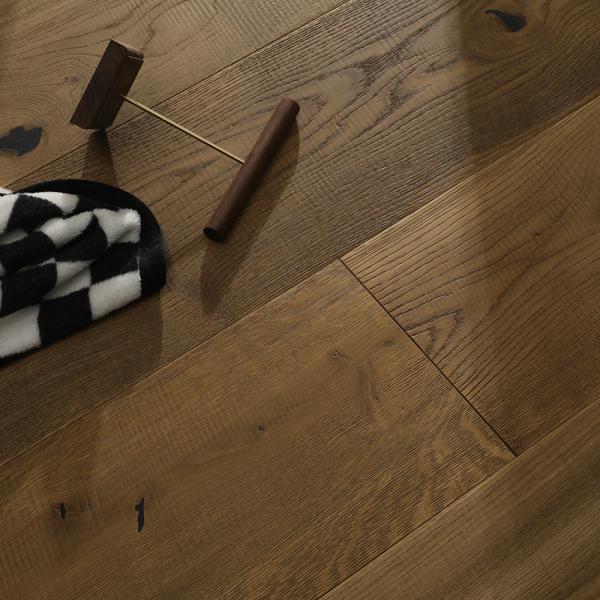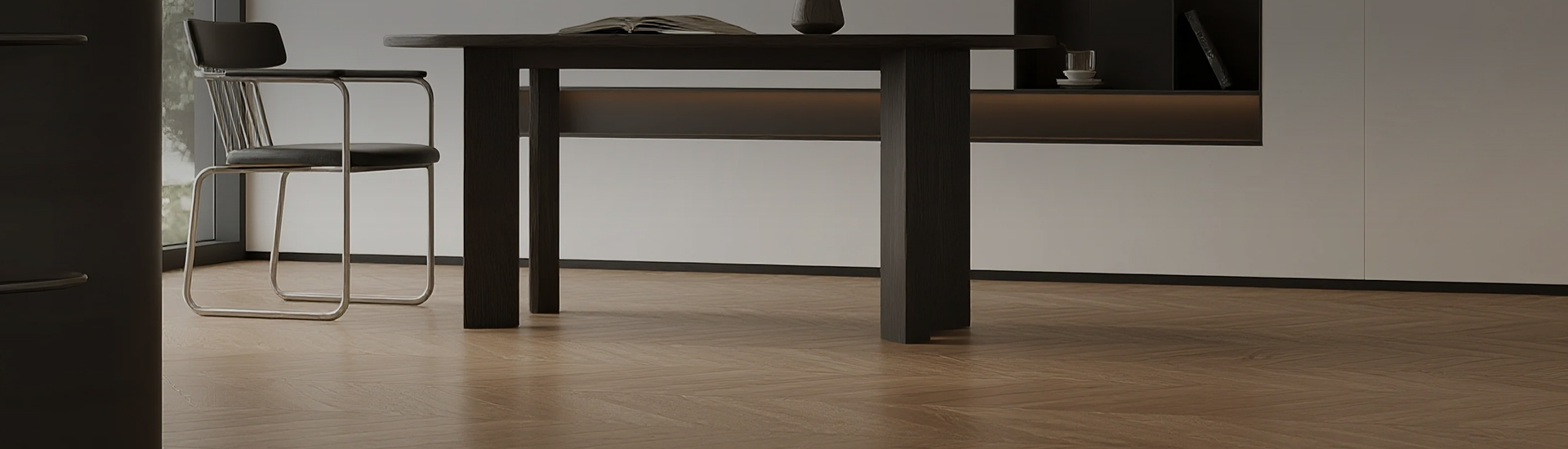
Engineered laminate flooring represents the intersection of natural wood beauty and modern manufacturing precision. Unlike traditional solid hardwood, engineered construction bonds a genuine hardwood veneer over a dimensionally stable cross-laminated core, producing a surface that performs consistently across varying climate conditions — from humidity-prone coastal regions to temperature-fluctuating continental interiors. For homeowners, architects, and wholesale buyers seeking a long-term flooring investment, engineered hardwood flooring offers a compelling combination of authenticity, durability, and design versatility.
Sinomaple Floors Inc, established in 2002 and operating from a 200,000 m² production base in Suzhou, China, brings over two decades of manufacturing expertise to every plank. With an annual capacity exceeding 5,000,000 square meters, products certified under CARB, EPA, ISO9001, and ISO14001, and distribution across 20+ countries, Sinomaple is positioned as a trusted partner for flooring distributors, contractors, and interior design professionals worldwide. Learn more about our company profile and certifications.
Engineered laminate flooring is built on a multi-layer platform. The surface layer consists of a real wood veneer — typically 2mm to 6mm in thickness — sourced from premium hardwood species. Beneath it, alternating layers of high-density plywood or HDF are cross-stacked at perpendicular angles. This cross-grain architecture counters the natural tendency of wood to expand and contract along the grain, resulting in far greater dimensional stability than solid wood alternatives.
The core determines performance. Plywood cores offer flexibility and resilience, making them particularly suited to floating or nail-down installations over concrete subfloors and in rooms with underfloor radiant heating. HDF cores provide exceptional hardness and resistance to surface indentation. The bottom layer typically incorporates a moisture-resistant backing that acts as an equilibrium buffer between the floor and the subfloor surface.
Surface textures vary by finish: smooth finishes reflect a classic, polished aesthetic; wire-brushed finishes reveal the natural grain texture; handscraped surfaces add an artisanal, distressed character. UV-cured aluminum oxide coatings are commonly applied to extend surface hardness and reduce the penetration of fine abrasives, extending the floor's useful life significantly.
This construction method is examined in depth in our technical overview of engineered wood floorboards, which covers layer structures, species characteristics, and performance benchmarks.
Oak engineered wood flooring draws on the enduring popularity of red oak — one of North America's most recognized hardwood species. Red oak is defined by its open grain pattern, warm reddish-brown tones, and a Janka hardness rating of approximately 1,290 lbf, making it well-suited to moderate-to-high-traffic residential applications. In engineered construction, oak veneers are laid over plywood cores that accommodate seasonal humidity shifts, preventing the cupping and gapping that can affect solid oak planks in the same conditions.
Sinomaple's Red Oak Series is available in a range of stain tones and surface textures, giving buyers flexibility to match traditional interiors, transitional design schemes, or contemporary open-plan spaces. Wide-plank formats accentuate the grain's natural movement and appeal to current design preferences for larger visual boards. As explored in our industry analysis on innovative trends in oak engineered wood flooring, sustainability and long-term value are increasingly central to buyer decisions in this category.
Dark engineered wood flooring based on ash species offers a distinct character: a tighter, straighter grain compared to oak, with natural pale tones that respond dramatically to dark staining processes. Ash's high Janka hardness (approximately 1,320 lbf) makes it one of the more resilient substrate species available in engineered form, particularly suitable for commercial projects and active households.
Darker finishes applied to ash veneers produce a rich visual contrast that defines contemporary and industrial interior styles. Deep chocolate, charcoal, or espresso tones create strong visual anchors in open-plan spaces, hotel lobbies, and high-end retail environments. From a technical standpoint, darker UV-cured coatings require careful surface preparation and consistent color penetration to ensure finish uniformity at scale — a challenge Sinomaple's proprietary laboratory and quality systems are specifically designed to address. For more on how dark-toned engineered flooring is evolving in commercial design, see our market analysis of dark oak engineered flooring trends in 2025.
European oak flooring is the premium benchmark of the engineered hardwood category globally. Sourced from Quercus robur and Quercus petraea grown in managed European forests, European oak is recognized for its characteristic medullary rays — the distinctive fleck pattern visible in quarter-sawn cuts — and its consistent, tightly controlled grain structure. European oak veneers are widely used in high-specification residential, hospitality, and commercial flooring projects where material provenance, visual consistency, and design sophistication are primary selection criteria.
Sinomaple's European Oak Series features multi-ply plywood cores with real European oak veneers, available in natural, brushed, smoked, and white-oiled finishes. The species responds especially well to oil-based finishing, which preserves the open grain's natural depth while providing surface protection. European oak's neutral color base — ranging from straw and honey tones to greyed and whitened effects — gives designers maximum flexibility across lighting conditions and interior palettes. Tongue-and-groove profiles ensure tight plank-to-plank fitment, with micro-bevel edges providing a clean shadow line that defines each board individually.
Walnut engineered wood flooring occupies the luxury segment of the hardwood flooring category. Black walnut (Juglans nigra) is prized for its deep chocolate-brown heartwood, sweeping grain figures, and the natural transition between dark heartwood and lighter sapwood — a characteristic many designers intentionally retain for visual drama. Walnut's Janka hardness of approximately 1,010 lbf is lower than oak or ash, but its density and grain tightness make it an elegant choice for bedrooms, private offices, dining rooms, and prestige commercial settings where visual impact outweighs high-impact durability requirements.
In engineered form, walnut veneers allow the species' distinctive aesthetics to be delivered at scale without the cost and resource intensity of solid walnut planks. Sinomaple's Walnut Series pairs genuine walnut veneers with dimensionally stable cores, ensuring the floor performs without movement or gapping even in environments with moderate humidity variation. Our detailed technical and buying guide for walnut engineered wood flooring covers species selection, grade definitions, installation requirements, and maintenance protocols in full. The growing interest in this category is also reflected in the sustainability-focused perspective outlined in our article on the rise of walnut engineered hardwood flooring in sustainable interior design.
Buyers evaluating engineered laminate flooring at a wholesale or specification level should consider the following technical parameters when making product selections:
Veneer thickness: Ranges from 2mm to 6mm. Thicker veneers allow for sanding and refinishing, extending the floor's total lifecycle — a critical consideration for commercial projects.
Overall board thickness: Typically 12mm to 20mm, balancing structural stability with installation compatibility across subfloor types.
Core construction: Multi-ply plywood is preferred for radiant heating compatibility and floating installations; HDF cores suit glue-down applications on rigid subfloors.
Surface finish system: UV-cured polyurethane with aluminum oxide particles provides the highest abrasion resistance; natural oil finishes offer easier on-site repair but require periodic recoating.
Installation methods: Nail/staple, glue-down, or floating systems — each suited to different subfloor conditions and project types. Compatibility with radiant heating should be confirmed with the supplier.
Dimensional tolerances: Tight length and width tolerances ensure consistent plank fitment and minimize waste during installation.
Environmental compliance: CARB Phase 2 and EPA TSCA Title VI certification governs formaldehyde emissions from adhesives used in core construction — critical for U.S. market entry and occupant health assurance.
A broader comparison of these considerations against solid wood alternatives is covered in our resource on solid wood vs. engineered wood flooring global trends.
Proper installation begins with subfloor assessment. Subfloors must be flat to within 3mm over a 1.8m radius, dry (concrete moisture content below 3% by weight or 75% RH using in-situ hygrometer), and structurally sound. Planks should acclimate in the installation environment — at standard room temperature and humidity — for a minimum of 48 hours before fitting begins.
For floating installations, a 10mm perimeter expansion gap must be maintained around all fixed objects including walls, door frames, pipes, and cabinetry. This gap allows the floor to move as a single connected panel without buckling. Glue-down installations require full coverage of a compatible urethane adhesive for maximum contact and moisture resistance.
Ongoing maintenance is straightforward: dry or damp mopping with pH-neutral cleaning solutions is sufficient for regular care. Oil-finished floors benefit from periodic reapplication of compatible maintenance oil to preserve surface hydration and repair minor surface wear. Furniture leg protectors and entrance mats significantly reduce the rate of surface scratching in high-traffic zones.
For detailed installation and service support, visit our customer service and FAQ page, or explore our flexible service and personalized support options tailored for wholesale partners.
Sinomaple's approach to engineered laminate flooring is grounded in long-term environmental responsibility. All products comply with ISO14001 environmental management standards, and the company holds CARB and EPA certifications governing formaldehyde emissions — among the strictest standards applied to wood composite products in global trade.
Engineered flooring is inherently more resource-efficient than solid hardwood: one cubic meter of premium hardwood species can yield significantly more engineered floor area than solid plank of equivalent appearance, reducing pressure on old-growth timber stocks. Sinomaple is an NWFA (National Wood Flooring Association) board member, reflecting active participation in responsible industry standards. Further detail on our environmental commitments — including carbon neutrality targets — is available on our sustainability page.
Industry observers have noted the growing alignment between premium flooring specification and sustainability credentials, a trend discussed in our news coverage of hybrid engineered wood flooring trends and market standards.
Sinomaple's engineered laminate flooring range is designed for wholesale buyers, specification professionals, and project developers who require consistent quality at scale. Primary markets include residential development contractors seeking cost-effective premium finishes; flooring distributors supplying dealer networks across North America, Europe, and Asia-Pacific; interior designers and architects specifying materials for luxury residential and commercial interiors; and hospitality and commercial real estate developers requiring durable, certified, aesthetically differentiated flooring surfaces.
With a modern production facility, a proprietary laboratory, and ISO-certified quality management systems, Sinomaple supports each buyer with product consistency, documentation, and customization options suited to diverse project requirements. To discuss your project needs or request product samples, visit our contact page or browse the full flooring product range.