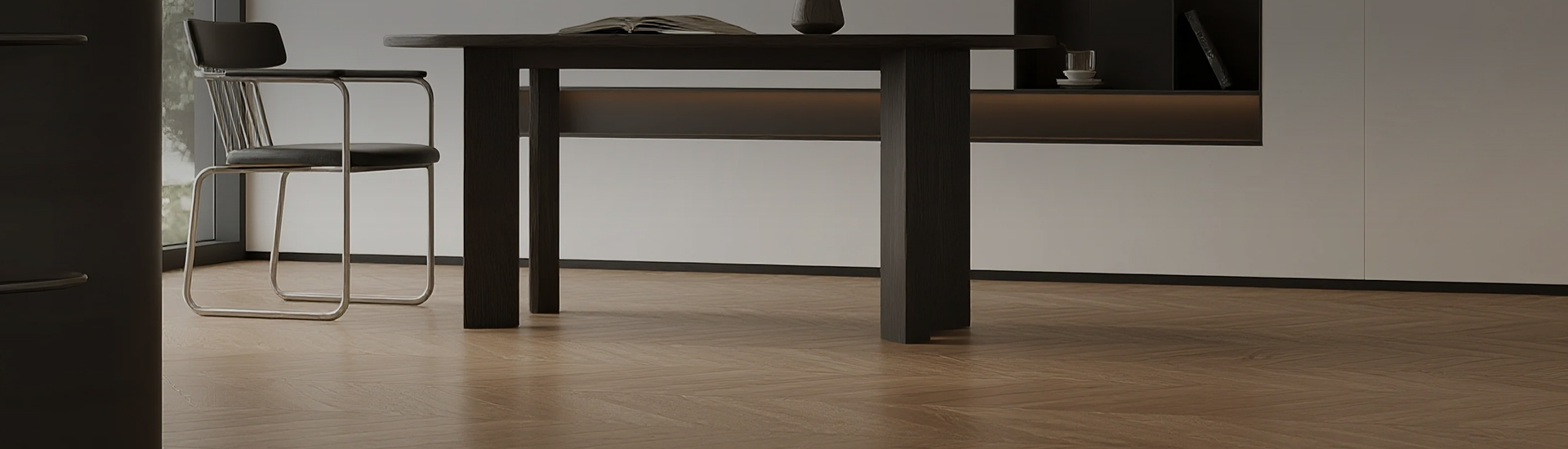
Oak engineered wood flooring represents the perfect marriage between natural wood aesthetics and modern engineered performance. Unlike solid hardwood floors that can warp or separate with seasonal changes, engineered oak maintains dimensional stability thanks to its multi-layer construction — a top veneer of premium oak bonded to a cross-grain plywood or HDF core. This design dramatically reduces expansion and contraction due to moisture and temperature swings, making it ideal for a broad range of climates and indoor conditions.
Sinomaple’s Red Oak Series leverages this sophisticated build to deliver floors that are not only visually stunning but also exceptionally durable and versatile — making them a top choice for designers, builders, and end-users alike.
Sinomaple Oak Engineered Wood Flooring is engineered to exceed expectations across residential, commercial, and specialized installations. The flooring’s enhanced dimensional stability minimizes warping and gapping — a major advantage in spaces subject to fluctuating humidity levels such as basements, kitchens, and sunrooms.
Thanks to the engineered core structure, these floors support multiple installation methods:
Floating installations — quick, clean fitting without nails or glue;
Glue-down installations — ideal over concrete slabs or radiant heat systems;
Nail/staple installations — traditional fastening for wood subfloors.
This adaptability means Sinomaple’s engineered oak is just as welcome in modern urban lofts, luxury homes, boutique retail spaces, or corporate offices as it is in traditional settings — blending seamlessly with both minimalist and classic design schemes.
1. Real Oak Veneer: Each plank starts with a genuine oak veneer layer, providing the rich grain, warm hues, and natural texture that only real wood can deliver — an aesthetic also prized in products like Woodland Reserve Rowan Red Oak Smooth Engineered Hardwood.
2. Layered Core Construction: Multiple cross-grain layers beneath the veneer form a stable core that resists swelling and contraction — improving durability across climates.
3. Wide Plank Options & Custom Finishes: Sinomaple offers flexibility in widths, lengths, and finish styles, enabling flooring solutions tailored to any architectural or interior design vision. This mirrors the versatility seen in high-end engineered collections.
4. Durable Factory Finishes: Many engineered floors, including those in the Red Oak Series, come with multi-coat UV finishes that resist scratches and wear, helping maintain beauty in high-traffic residential or commercial areas.
5. Sustainability and Resource Efficiency: Engineered oak flooring uses less slow-grown hardwood than solid wood, making it a more environmentally responsible choice with reduced material waste and lower embodied carbon.
While Sinomaple’s site lists multiple SKUs within the Red Oak Series, high-level specifications typically include the following — matching industry standards for engineered hardwood:
Top Veneer Species: Red Oak — prized for its warm tones and distinctive grain patterns.
Core Structure: Multi-ply plywood or HDF with cross-grain layering.
Typical Total Thickness: Ranges commonly from ~12 mm to 20 mm (depending on specification and design needs).
Veneer Thickness Options: Often between approximately 2 mm and 6 mm — thicker veneers provide more refinish capability.
Installation Methods: Floating, glue-down, or nail-down.
Finish: Pre-finished multi-coat factory application for durability.
Color/Style Variants: Multiple stains and surface textures to complement diverse design aesthetics.
These engineered construction specifications ensure performance consistency across applications — from residential living rooms to commercial hotel lobbies.
Acclimate the Planks: Before installation, allow flooring to acclimate in the space for 48–72 hours to match ambient conditions.
Prepare the Subfloor: Ensure the subfloor is clean, dry, and level. Moisture barriers are recommended over concrete slabs.
Choose Installation Method: Select floating, glue-down, or nail-down based on subfloor type and design requirements.
Expansion Gaps: Leave proper expansion gaps around room perimeters to accommodate natural material movement.
Use soft-bristle brooms or microfiber mops for routine cleaning.
Wipe spills immediately to avoid moisture infiltration, as solid wood’s open grain can be susceptible to staining.
Avoid steam mops or excessive water — engineered floors resist moisture better than solid hardwood but are not waterproof.
Use protective pads under furniture to minimize surface scratches.
Residential Construction: Single-family homes, condos, luxury apartments.
Hospitality & Retail: Boutique shops, restaurants, hotel guest rooms, reception areas.
Corporate Interiors: Office suites, boardrooms, and collaborative spaces desiring a premium aesthetic.
Design & Architecture Projects: Show homes, interior design showcases, exhibition spaces.
Homeowners seeking long-lasting, beautiful wood floors with minimal seasonal movement.
Architects & Designers desiring customizable flooring that balances performance with natural wood character.
Builders & Contractors requiring flooring that installs efficiently and performs reliably across environments.
Commercial Clients who need premium finishes that withstand high foot traffic while maintaining design integrity.
Oak engineered wood flooring — especially products like Sinomaple’s Red Oak Series — elevates interior spaces with timeless wood beauty paired with engineered durability. With advanced core technology, versatile installation options, rich grain aesthetics, and eco-conscious material use, this flooring line meets the performance demands of today’s most discerning design, construction, and lifestyle applications. Whether renovating a home or outfitting a commercial interior, Sinomaple’s engineered oak flooring delivers a resilient, stylish foundation that stands the test of time.


