Need help choosing?

Find your floor in 4 easy steps

From species to finish, our team helps you land on the right engineered hardwood for your space — no showroom visit required.

01

Pick your space

Living room, bedroom, hallway, or a commercial floor — tell us where the flooring is going and how much traffic it needs to handle.

02

Choose a species

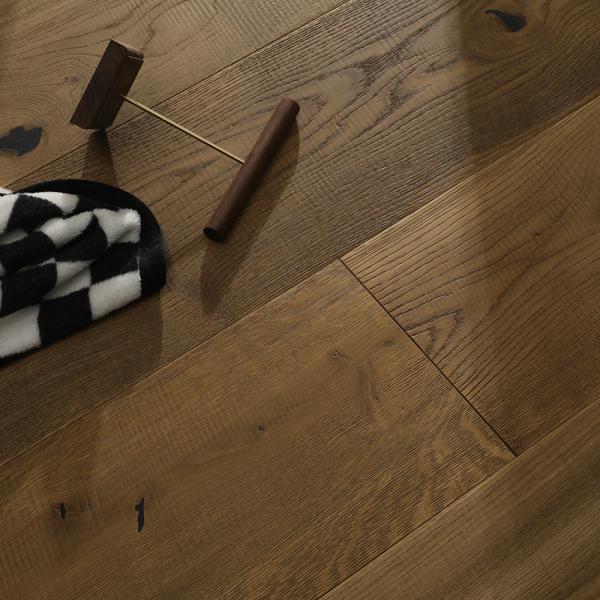
European Oak, Red Oak, Ash, Teak, or Walnut — each brings its own grain, tone, and hardness to the room.

03

Select finish & texture

Matte, wire-brushed, handscraped, or oiled — the surface treatment shapes both the look and the everyday feel underfoot.

04

Get matched & quoted

Share your project size and specs, and our team sends samples plus a wholesale quote tailored to your order.

European Oak Series

Timeless beauty to any space

Prized for its strength and distinctive grain, oak is a versatile choice that suits everything from classic interiors to minimalist modern homes. Sinomaple's engineered oak brings that character to floors built for real, daily life.

Explore Oak Flooring
Red OakAshTeakWalnut
Sinomaple Floors Inc manufacturing base in Suzhou, Jiangsu
2002Year Sinomaple was founded
Company Profile

A one-stop wood flooring manufacturer, since 2002

Sinomaple Floors Inc was founded in 2002 as a one-stop solution provider spanning R&D, production, sales, and service, with an annual capacity of 5,000,000 square meters of flooring alongside 100,000 sets of cabinets and 100,000 interior doors.

The company runs a modern 200,000 square meter production base in Suzhou and supplies a retail network of over 500 domestic terminals across 30 provinces, cities, and autonomous regions in China. Certified by CARB and the EPA, Sinomaple's flooring is exported to more than 20 countries and regions worldwide — including the United States, Canada, France, Italy, Australia, South Korea, Saudi Arabia, and Japan.

200,000m²Production Base
5,000,000m²Annual Flooring Output
500+Retail Terminals
20+Export Countries & Regions

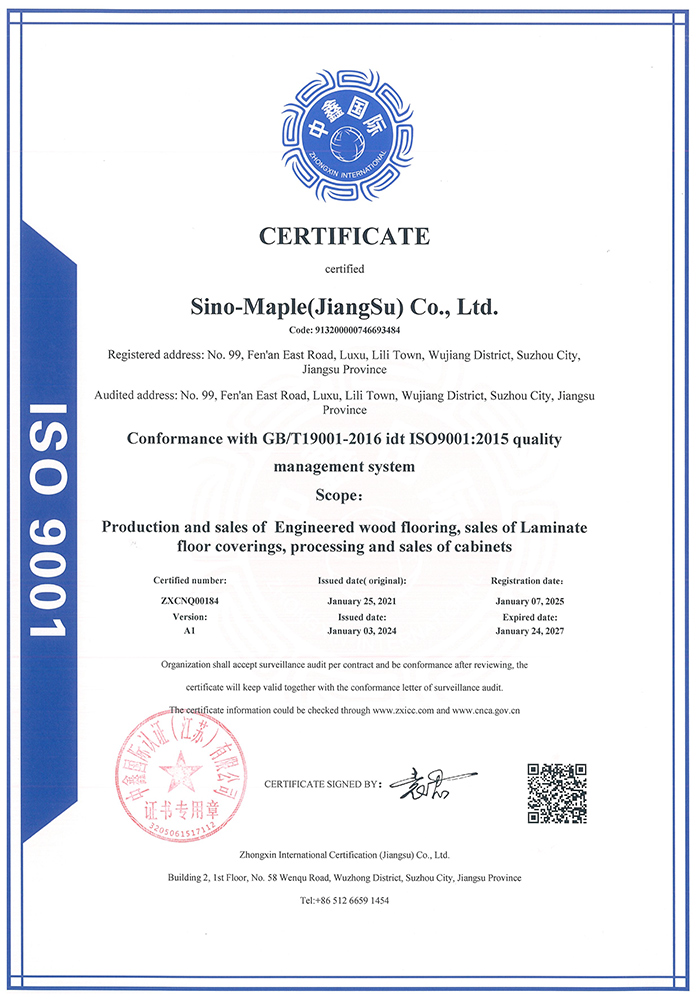
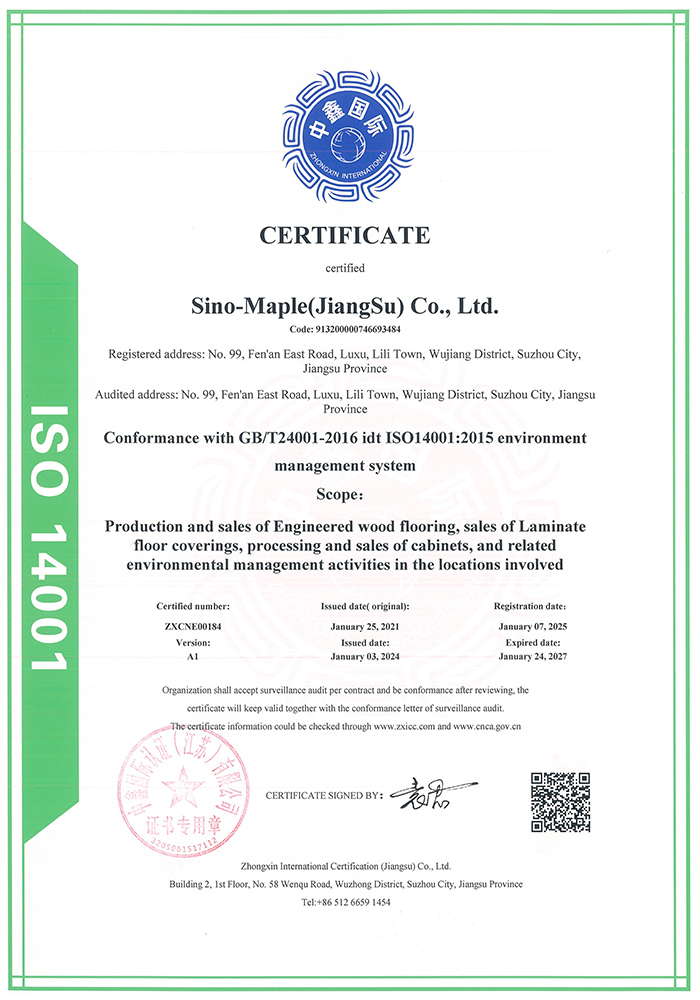
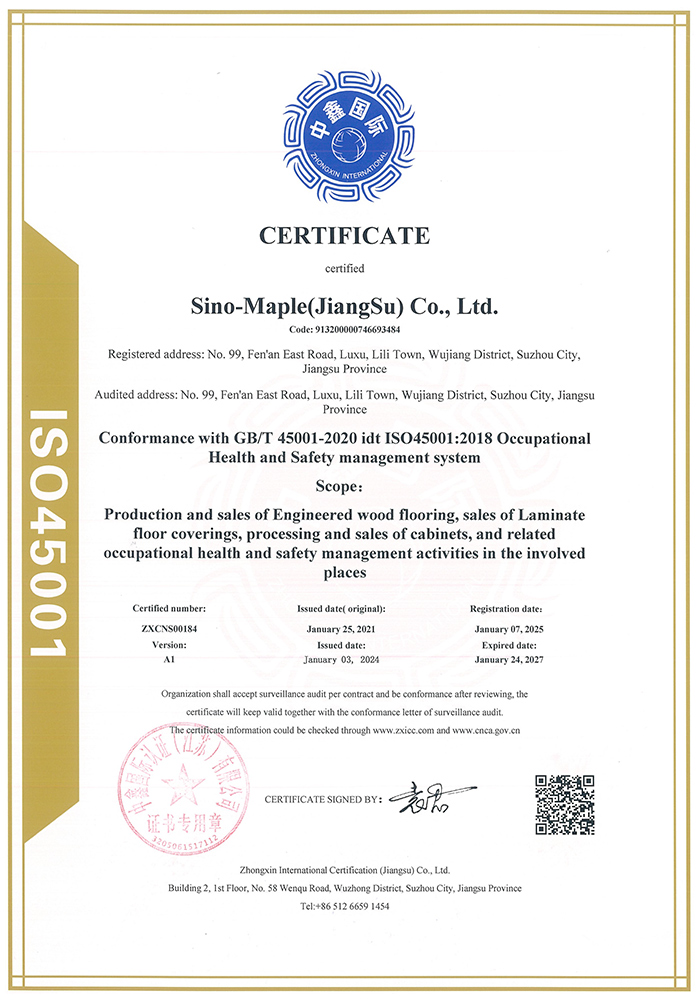
Backed by internationally recognized certifications

From forest to finished plank, every stage of production is verified by third-party bodies covering sourcing, air quality, and management systems.
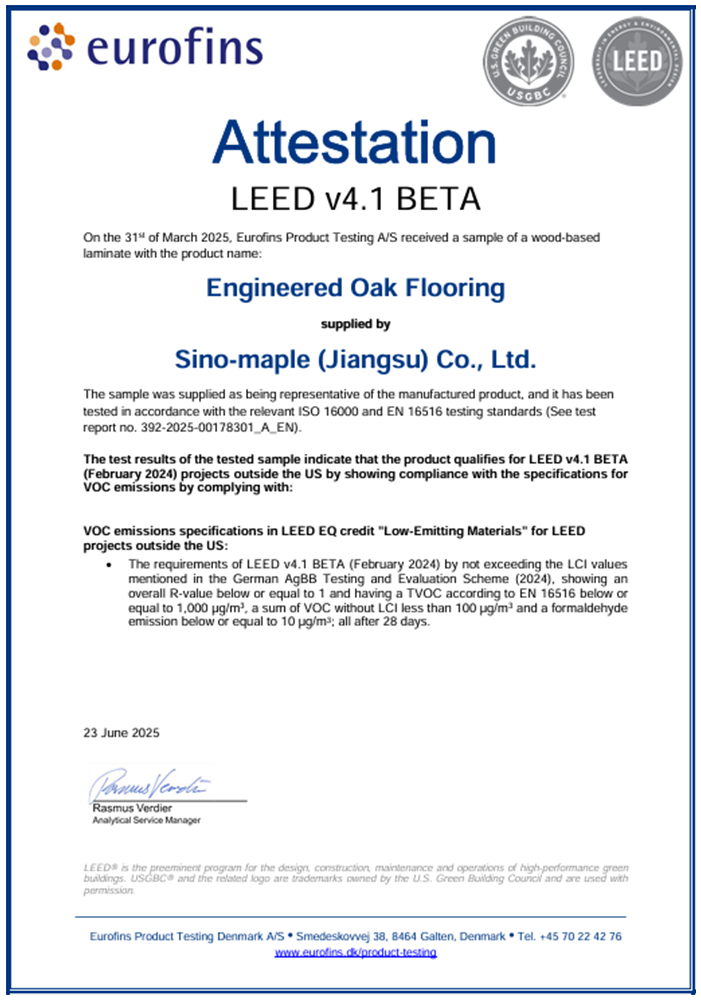
LEED certification for Oak flooringLEED — Oak
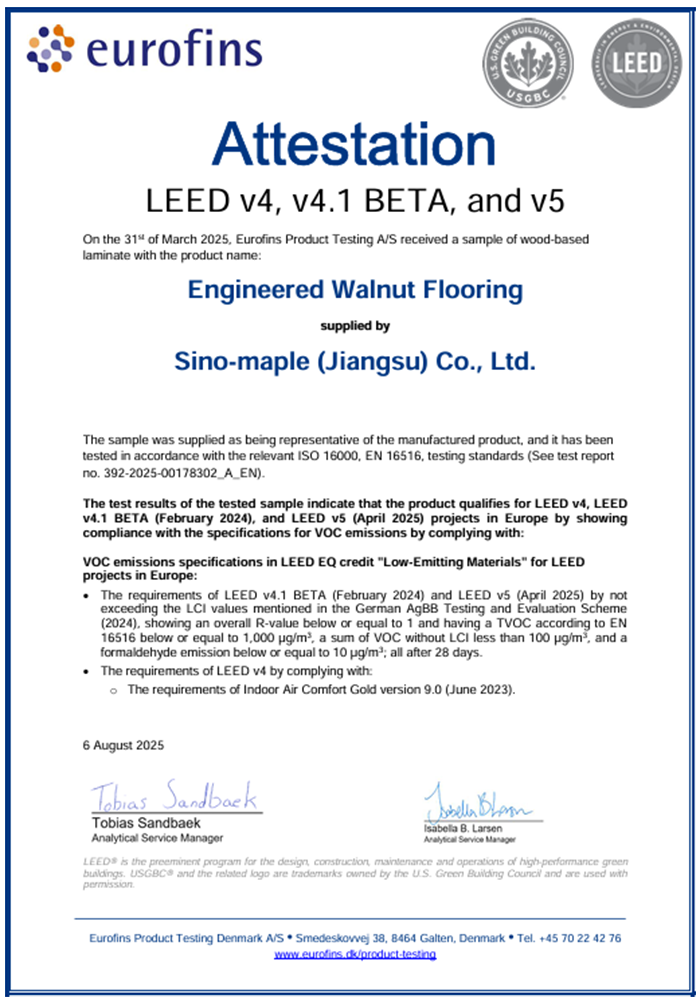
LEED certification for Walnut Wood flooringLEED — Walnut Wood
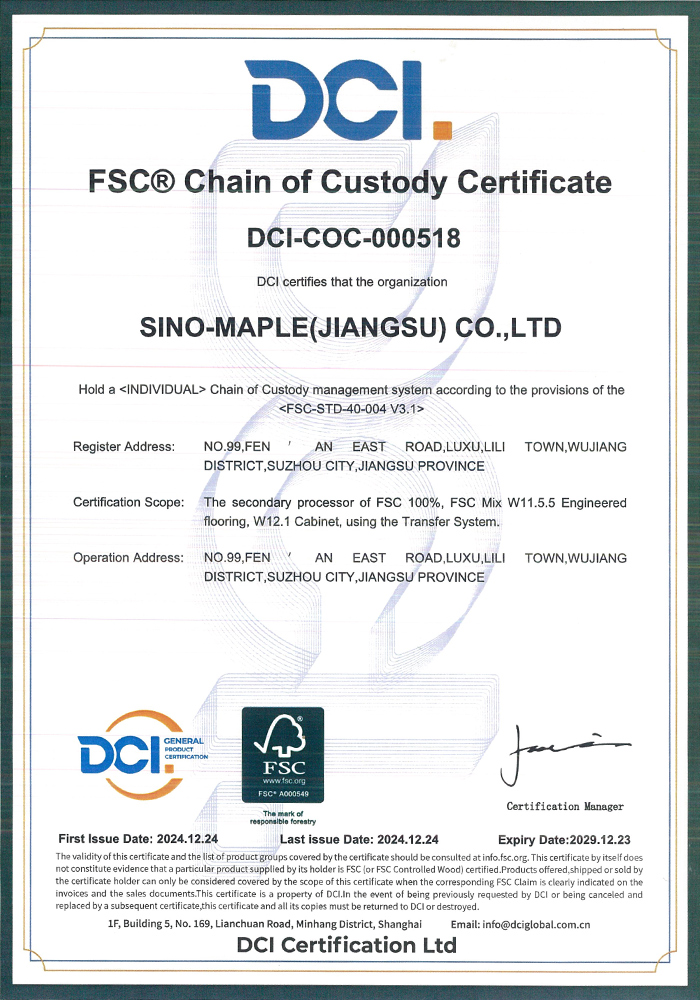
FSC-COC Forest Stewardship Council chain of custody certificateFSC-COC
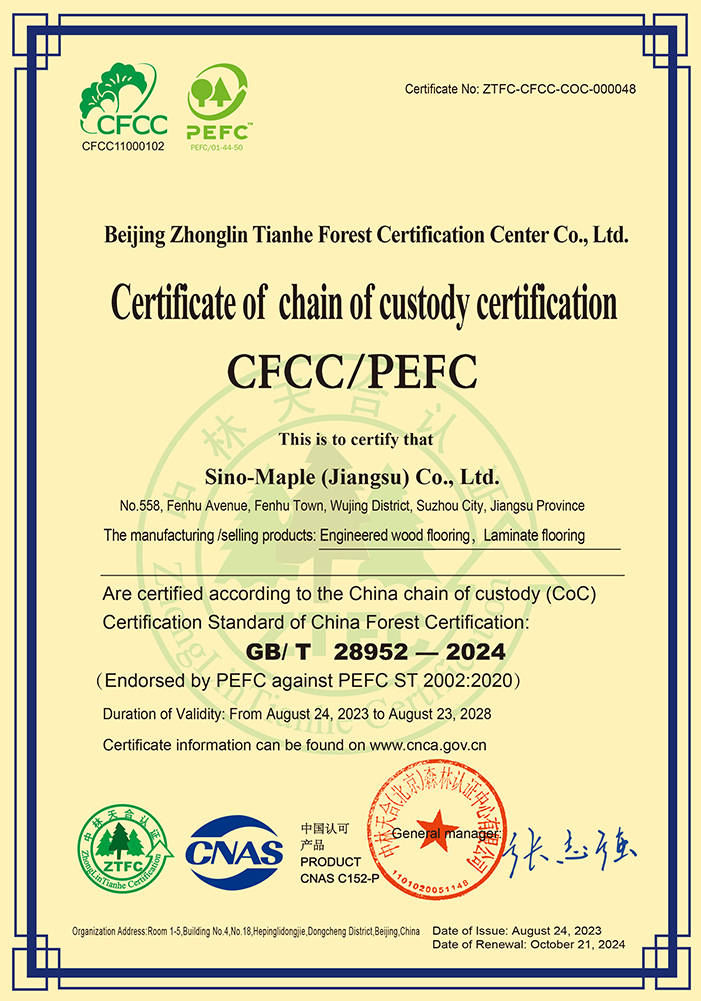
CFCC-PEFC forest certificationCFCC-PEFC
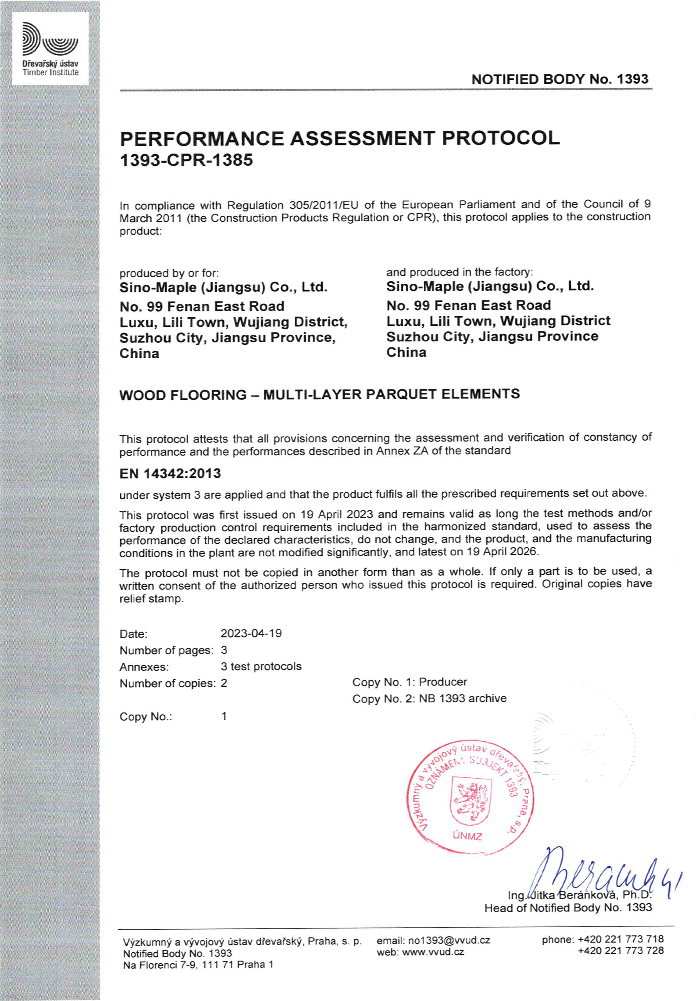
CE certificateCE Certificate
ISO 9001 quality management certificateISO 9001
ISO 14001 environmental management certificateISO 14001
ISO 45001 occupational health and safety certificateISO 45001
Care & Maintenance

Keeping your engineered hardwood floor at its best

Oak and Walnut are two of the most popular species in the Sinomaple range, each with its own grain, tone, and small differences in day-to-day care. A little routine attention keeps either floor looking the way it did on day one.

Caring for Your Oak Flooring

Oak engineered flooring is refreshingly simple to live with. Sweep, dust, or vacuum regularly to lift away grit before it can scratch the surface, and clean periodically with a product formulated specifically for engineered wood. Avoid soap or detergents mixed with water, as they can seep into the seams and cause the planks to swell or cup, and never use steel wool or other abrasive pads on the wear layer.

When spills happen, blot them up with a barely damp cloth as quickly as possible. Standing liquid is oak's biggest enemy, so never let water or other liquids sit on the surface.

Caring for Your Walnut Flooring

Walnut's deep, rich tone tends to show dust more readily than lighter species, so a regular sweep or vacuum keeps its natural luster on display. Clean occasionally with a pH-neutral cleaner made for engineered wood, and steer clear of ammonia-based or oil-soap products that can dull the finish over time. As with any engineered floor, steel wool and abrasive scrubbers should never touch the surface.

Wipe up spills with a soft, slightly damp cloth as soon as they occur. Because walnut is a somewhat softer species, felt pads under furniture legs and mats at entryways go a long way toward keeping the surface free of dents and scratches.